

Australia: Your Winter Escape
Trade Snow for Sunshine: Why Australia Is the Perfect North American Winter Escape
When winter arrives in North America, I usually start dreaming about somewhere warm. While the Caribbean and Mexico are always popular choices, Australia offers something completely different: summer weather, famous beaches, incredible wildlife, exciting cities, and some of the most recognizable landmarks in the world.
Because Australia is in the Southern Hemisphere, its seasons are opposite ours. When it is cold in the United States and Canada, Australia is enjoying summer. December through February brings long days, warm temperatures, outdoor festivals, and plenty of opportunities to spend time along the coast.
However, Australia is a massive country, and the weather can change dramatically depending on where you go. Sydney may be warm and sunny, Tasmania can be mild and perfect for hiking, the Outback may be extremely hot, and northern destinations such as Cairns and Darwin are in their tropical wet season.
That is why planning an Australian vacation is not simply about choosing a flight and hotel. You need to match the destinations, weather, and experiences to the type of vacation you actually want.
Australia’s Summer Happens During Our Winter
Australia’s summer runs from December through February. While North America is dealing with snow, freezing temperatures, and shorter days, much of southern Australia is enjoying warm weather and plenty of sunshine.
Average summer temperatures in Australia’s major cities can range from approximately 68 to 99 degrees Fahrenheit, although conditions vary greatly across the country. Summer is also Australia’s busiest travel season, which means flights, hotels, and popular excursions can fill quickly. Tourism Australia recommends reserving summer travel well in advance and notes that February can be a good option after Australian children return to school.
If you are considering Australia for Christmas, New Year’s, or a winter getaway, I recommend beginning the planning process as early as possible.
Why Visit Australia During North America’s Winter
Australia offers far more than warm weather. It is one of those destinations where you can combine several completely different types of vacations into one trip.
You can:
Relax on beaches while friends and family back home are shoveling snow.
Celebrate Christmas and New Year’s during the Australian summer.
See the Sydney Opera House and Sydney Harbour Bridge.
Spend time along the coast in Melbourne, Adelaide, Perth, or Tasmania.
Meet kangaroos, koalas, wombats, and other native wildlife.
Explore Aboriginal and Torres Strait Islander culture and history.
Visit wineries in the Barossa Valley, Hunter Valley, or Margaret River.
Take a road trip along the Great Ocean Road.
Cruise around Australia, New Zealand, or the South Pacific.
Add a Great Barrier Reef experience if you understand the tropical-season conditions.
Australia works especially well for travelers who want more than a typical beach vacation. It can be relaxing, adventurous, cultural, culinary, or a combination of everything.
The Best Australian Destinations During Our Winter
Since Australia’s summer weather varies by region, choosing the right destinations is one of the most important parts of planning your trip.
Sydney and New South Wales
Sydney is a fantastic starting point for a first visit to Australia. You can tour the Sydney Opera House, walk around Circular Quay, see the Sydney Harbour Bridge, explore The Rocks, and spend time at Bondi Beach.
Sydney’s average summer temperatures range from approximately 66 to 78 degrees Fahrenheit, although warmer days are possible. The ocean is also warm enough for swimming, surfing, and other water activities. Tourism Australia describes summer as an excellent season for enjoying the city’s harbour and ocean beaches.
A Sydney itinerary can also include:
A coastal walk between Bondi and Coogee.
A ferry ride to Manly.
A day trip to the Blue Mountains.
Wine tasting in the Hunter Valley.
A harbour cruise or dinner cruise.
Sydney’s famous New Year’s Eve celebration.
Christmas Day in Australia may look very different from what you are used to. Instead of snow, fireplaces, and heavy coats, you may see families celebrating with seafood, barbecues, and afternoons at the beach.
Melbourne and Victoria
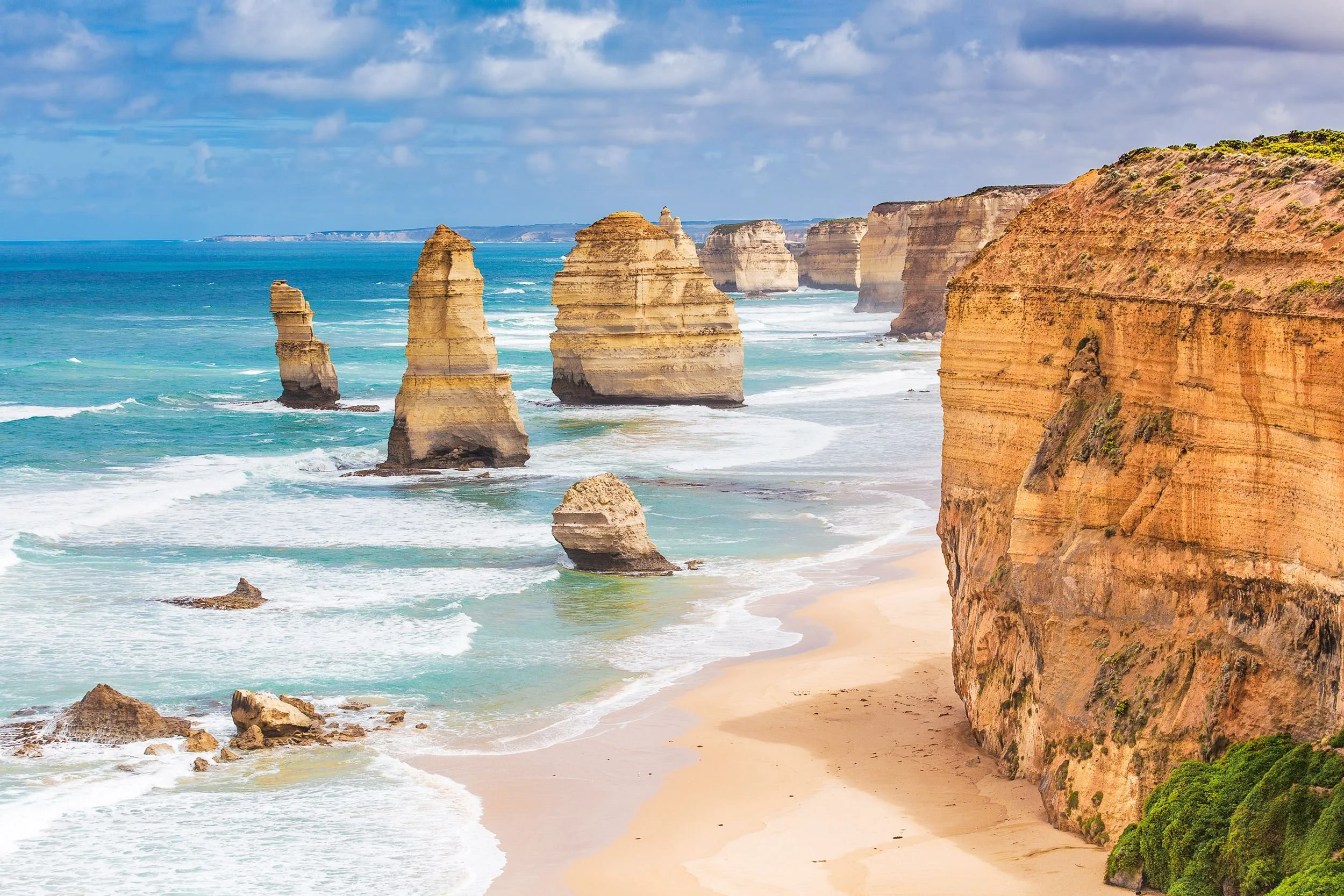
The Twelve Apostles are one of Victoria’s most recognizable natural landmarks and a popular stop on a Great Ocean Road adventure from Melbourne.
Melbourne is a great choice for travelers who enjoy food, coffee, sports, art, architecture, and neighborhoods with plenty of personality.
Summer is a wonderful time to explore Melbourne’s laneways, outdoor restaurants, markets, museums, and nearby wine regions. The weather can change quickly, so I would still recommend carrying a light layer even during summer.
Popular experiences include:
Driving or touring the Great Ocean Road.
Visiting the Twelve Apostles.
Exploring the Yarra Valley wine region.
Touring Melbourne’s famous laneways.
Attending a sporting event.
Visiting Phillip Island to see its penguin parade.
Spending time at Queen Victoria Market.
Melbourne also hosts the Australian Open in January, making it an especially exciting destination for tennis fans. Hotels and tickets can become expensive during major events, so this is another trip that benefits from early planning.
Tasmania
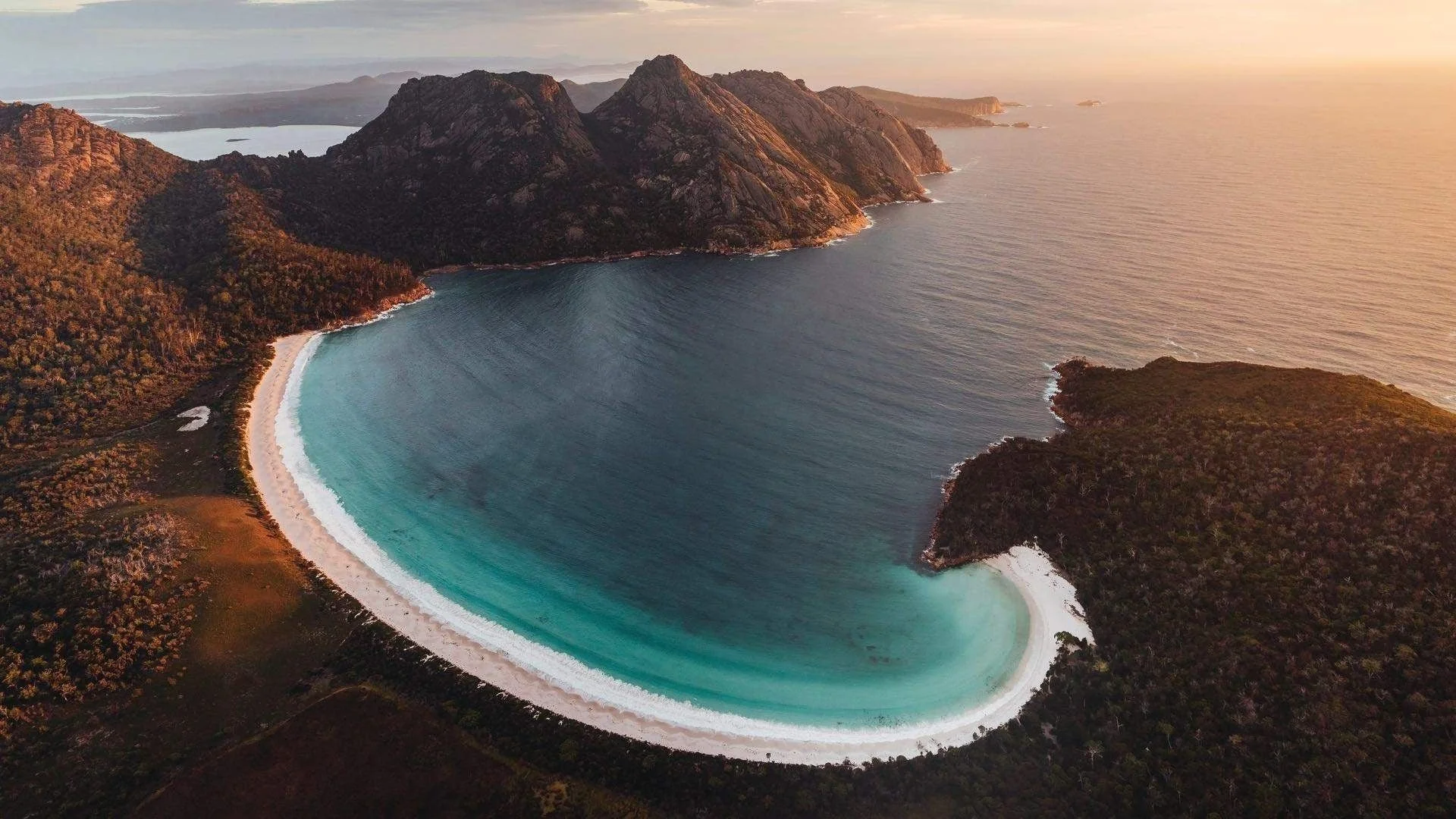
Wineglass Bay showcases Tasmania’s beautiful combination of white-sand beaches, turquoise water, forests, and mountain scenery.
Tasmania is one of my favorite recommendations for travelers who want beautiful scenery, wildlife, history, and outdoor adventure without the intense heat found in parts of mainland Australia.
Summer is one of the best times to explore Tasmania’s national parks, hiking trails, coastline, and historic towns. You can visit Hobart, explore the Salamanca Market, tour the former convict settlement at Port Arthur, or spend time around Wineglass Bay and Freycinet National Park.
Tasmania is especially appealing for:
Hikers and outdoor travelers.
Wildlife enthusiasts.
History lovers.
Food and wine travelers.
Couples looking for a quieter Australian escape.
Travelers who prefer mild weather over extreme heat.
Even during summer, Tasmania can experience cooler evenings and rapidly changing conditions. Pack layers and bring a lightweight waterproof jacket.
Perth and Western Australia
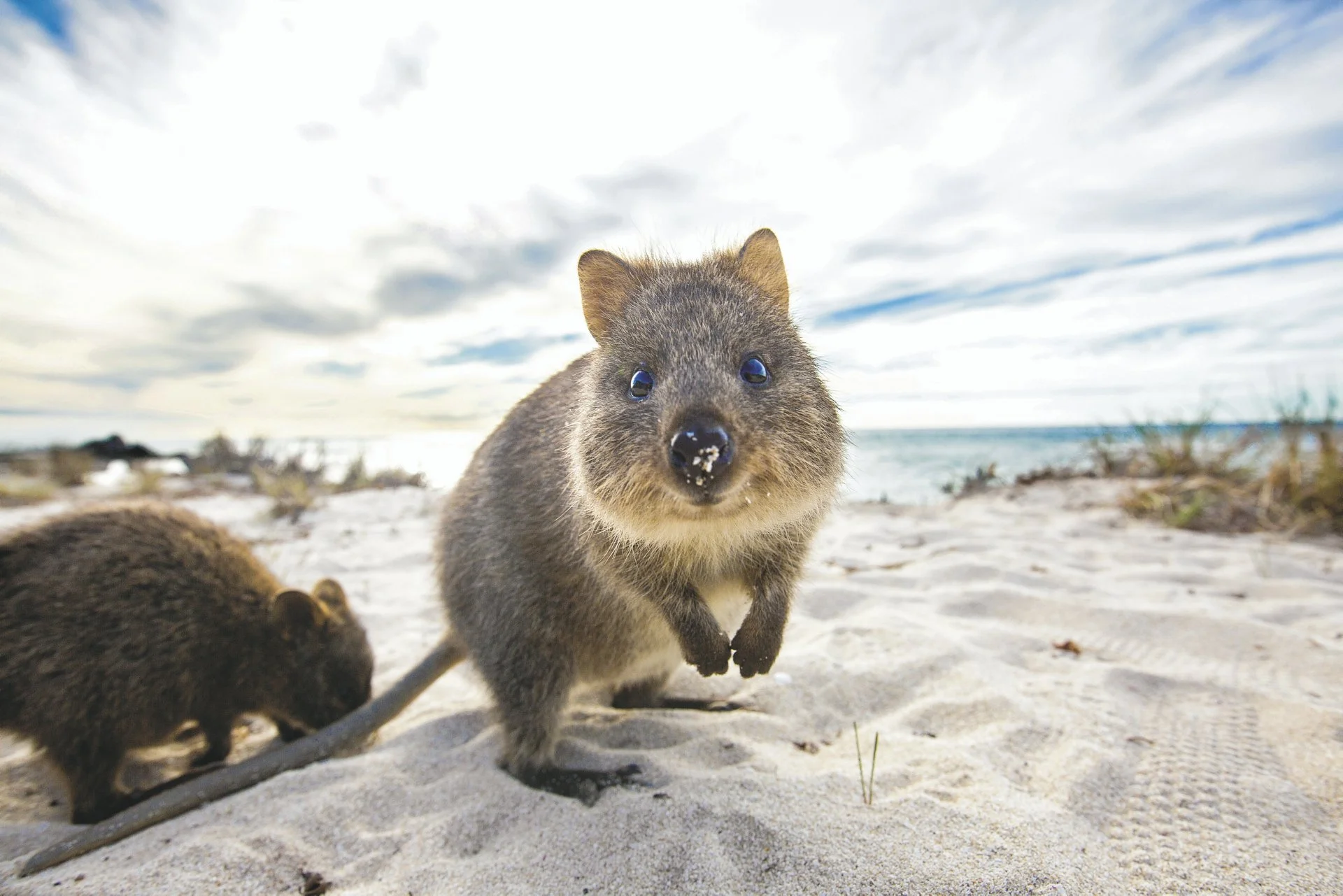
Rottnest Island is a popular day trip from Perth, known for its secluded beaches, cycling trails, clear water, and friendly quokkas.
Perth provides a different Australian experience, with sunny weather, beautiful beaches, and easy access to some of Western Australia’s best destinations.
You can take a ferry to Rottnest Island, where you may have the opportunity to see the island’s famous quokkas. Farther south, Margaret River combines wineries, restaurants, beaches, caves, and a relaxed atmosphere.
Western Australia also offers destinations such as Esperance, where bright blue water and white-sand beaches create some of the country’s most striking coastal scenery. Tourism Australia highlights Perth, Rottnest Island, Margaret River, and Esperance as excellent summer destinations for beaches, wildlife, food, and wine. Tourism Australia
Keep in mind that Western Australia is enormous. Driving distances are often much longer than they appear on a map, so avoid trying to squeeze too many locations into one short itinerary.
Adelaide and South Australia
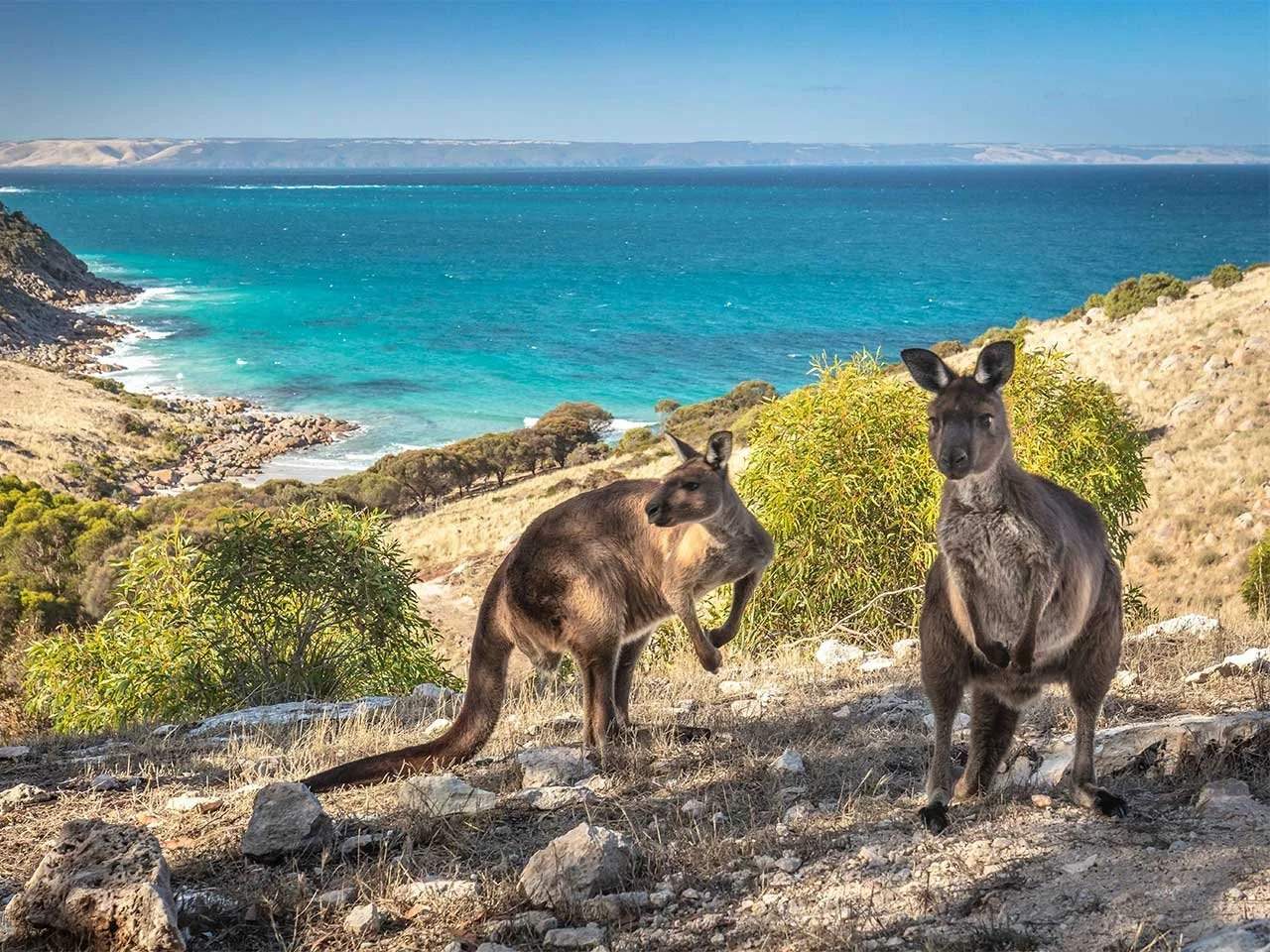
Kangaroo Island combines dramatic coastal landscapes with opportunities to see kangaroos, koalas, sea lions, echidnas, and other Australian wildlife.
Adelaide can be an excellent base for travelers interested in wine, food, beaches, wildlife, and a more relaxed city experience.
From Adelaide, you can visit:
The Barossa Valley.
McLaren Vale.
Adelaide Hills.
Glenelg Beach.
Kangaroo Island.
Historic towns and coastal communities.
Kangaroo Island is a standout choice for wildlife lovers. Depending on your itinerary, you may see kangaroos, koalas, sea lions, echidnas, and a variety of birdlife.
South Australia can become extremely hot during parts of the summer, so plan outdoor activities for the morning and remain flexible during heatwaves.
What About the Great Barrier Reef and Tropical North
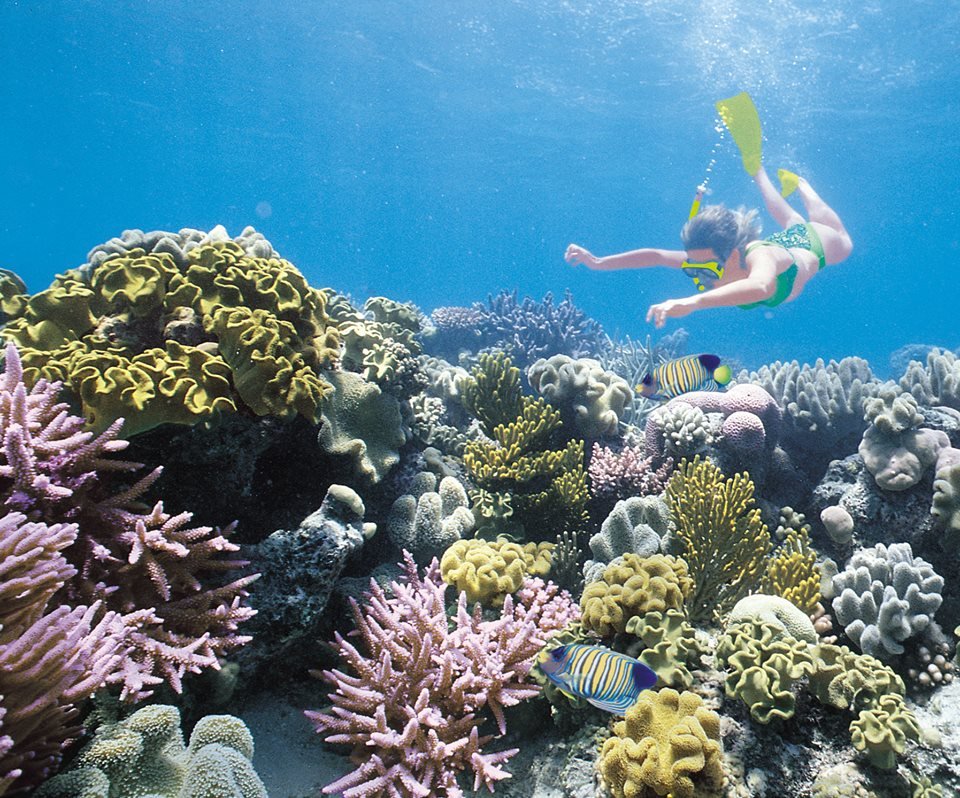

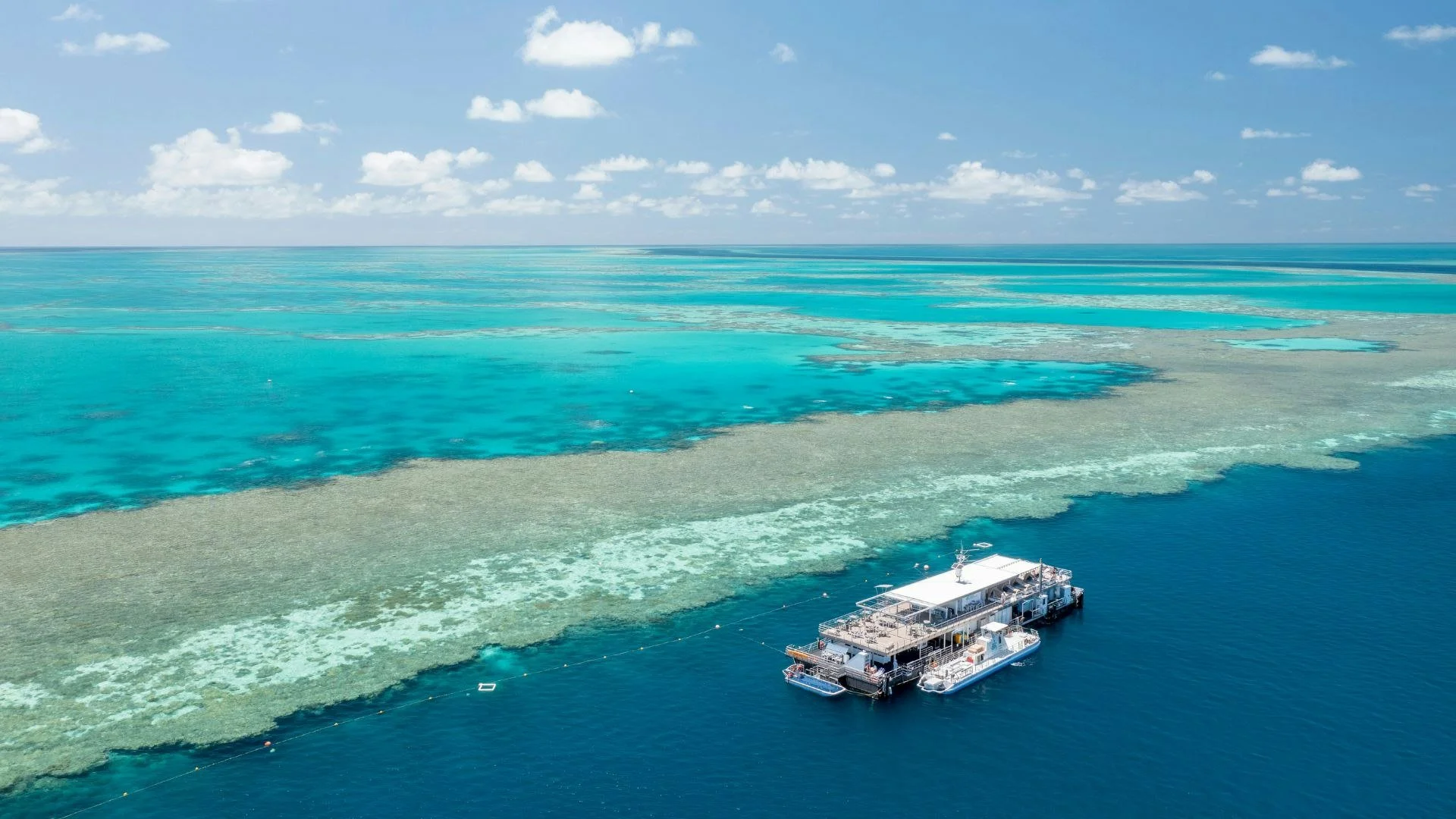

The Great Barrier Reef is understandably high on many travelers’ lists, but visiting northern Australia during December, January, or February requires additional planning.
Northern destinations such as Cairns, Darwin, Broome, and the Whitsundays experience their tropical wet season during Australia’s summer. This can bring high humidity, heavy rainfall, thunderstorms, tropical cyclones, and disruptions to outdoor excursions. It is also marine stinger season in some northern waters, so protective stinger suits may be required for swimming, snorkeling, and diving. Tourism Australia
This does not mean you cannot visit the Great Barrier Reef during North America’s winter. It simply means you should:
Build flexibility into your itinerary.
Purchase travel insurance.
Allow extra time in case weather affects an excursion.
Follow local swimming and marine-safety instructions.
Expect heat, humidity, and periods of rain.
Avoid making one weather-dependent excursion the entire purpose of your trip.
Travelers who want the most predictable reef conditions may prefer visiting northern Australia during its dry season, which generally falls between May and September.
Should You Visit the Australian Outback During Summer
Uluru and Australia’s Red Centre are unforgettable, but summer can bring extreme daytime heat. Hiking, sightseeing, and long outdoor tours may be restricted or adjusted when temperatures become unsafe.
If Uluru is important to you, plan carefully and schedule outdoor activities around sunrise or early morning. Drink plenty of water, carry sun protection, and follow all local safety instructions.
For many travelers, the cooler months are a better time to explore the Outback. During a North American winter trip, you may have a more comfortable experience concentrating on Australia’s southern cities, coastal destinations, and Tasmania.
Australian Summer Cruises
A cruise can be one of the easiest ways to experience Australia during North America’s winter. Australia’s cruise season generally overlaps with our colder months, giving travelers opportunities to sail from Sydney, Brisbane, Melbourne, Adelaide, or other regional ports.
Depending on the cruise line and itinerary, a sailing may include:
Australian coastal cities.
Tasmania.
New Zealand.
The Great Barrier Reef region.
The South Pacific islands.
Longer voyages combining Australia with Asia or the South Pacific.
A cruise can reduce the number of domestic flights and hotel changes needed during the trip. It can also be a good option for couples, families, and multi-generational groups who want a mix of sightseeing and relaxation.
I recommend arriving in Australia at least two or three days before the cruise. That provides time to recover from the long flight, adjust to the time difference, and explore the departure city without worrying about a missed connection.
What to Pack for an Australian Summer Vacation
Packing for Australia depends on the regions included in your itinerary, but most summer travelers should bring:
Lightweight and breathable clothing.
Comfortable walking shoes.
A swimsuit and beach cover-up.
Reef-safe sunscreen.
Sunglasses and a wide-brimmed hat.
A refillable water bottle.
Insect repellent.
A lightweight rain jacket.
A sweater or light jacket for cooler evenings.
A universal power adapter.
A small day bag for excursions.
Any necessary prescription medication.
The sun in Australia can be intense, even when the temperature does not feel extreme. Sunscreen, protective clothing, hydration, and shade breaks should be part of your daily routine.
If your itinerary includes several regions, pack for variety. Sydney, Tasmania, Cairns, and the Outback can all have completely different conditions during the same week.
How Long Should You Spend in Australia
Australia is not a destination I recommend rushing. The country is roughly the size of the continental United States, and flights between major cities can take several hours.
For a first visit, I recommend:
Seven to nine days: Choose one major city and one nearby region.
Ten to fourteen days: Combine two or three destinations, such as Sydney, Melbourne, and Tasmania.
Two to three weeks: Add Western Australia, the Great Barrier Reef, New Zealand, or an Australian cruise.
Three weeks or longer: Create a more complete itinerary with several regions and enough time to enjoy each one.
Trying to visit Sydney, Melbourne, Cairns, Uluru, Perth, and Tasmania in one short trip may look exciting on paper, but it usually creates too many airport days and not enough time to experience the destinations.
Is Australia Worth Visiting During North America’s Winter
Absolutely. Australia offers warm weather, famous beaches, outdoor dining, wildlife, culture, wine regions, summer events, and the opportunity to escape the coldest part of the North American year.
The key is choosing the right regions. Southern Australia, Sydney, Melbourne, Tasmania, Adelaide, Perth, and many coastal destinations can be fantastic during December, January, and February. The tropical north and Outback can still be visited, but they require more flexibility because of rain, humidity, storms, and extreme heat.
A thoughtfully planned itinerary can turn a long journey into an incredible vacation instead of an exhausting race across the country.
If Australia is on your travel list, reach out to me at Dream Vacations. I can help you compare flights, hotels, cruises, tours, and destination combinations while creating an Australian vacation that fits your travel style, interests, and budget.
Let’s start writing your Australian adventure.