

Exploring Japan: A First-Timer's 2027 Travel Guide
Why 2027 Is a Smart Year for Exploring Japan
If Japan is on your travel list, 2027 is a great year to finally make it happen. The country offers an easy-to-use transportation system, an incredible mix of modern cities and historic neighborhoods, unforgettable food, and destinations that work for many different travel styles. Japan remains extremely popular, though, so advance planning will be important—especially during cherry blossom season, autumn foliage season, Golden Week, and other major holidays.
At Dream Vacations - James L Paige, we plan Japan trips for couples, families, and multi-generational groups. One of the questions I hear most is simple: is Japan a good choice for a first international trip? My answer is yes—as long as the itinerary matches your pace, interests, and budget.
Below, we cover a beginner-friendly route for exploring Japan, real costs, etiquette, transit, and the off-the-beaten-path options most guides skip.
A Japan Itinerary for Beginners: 7 Days, Three Cities
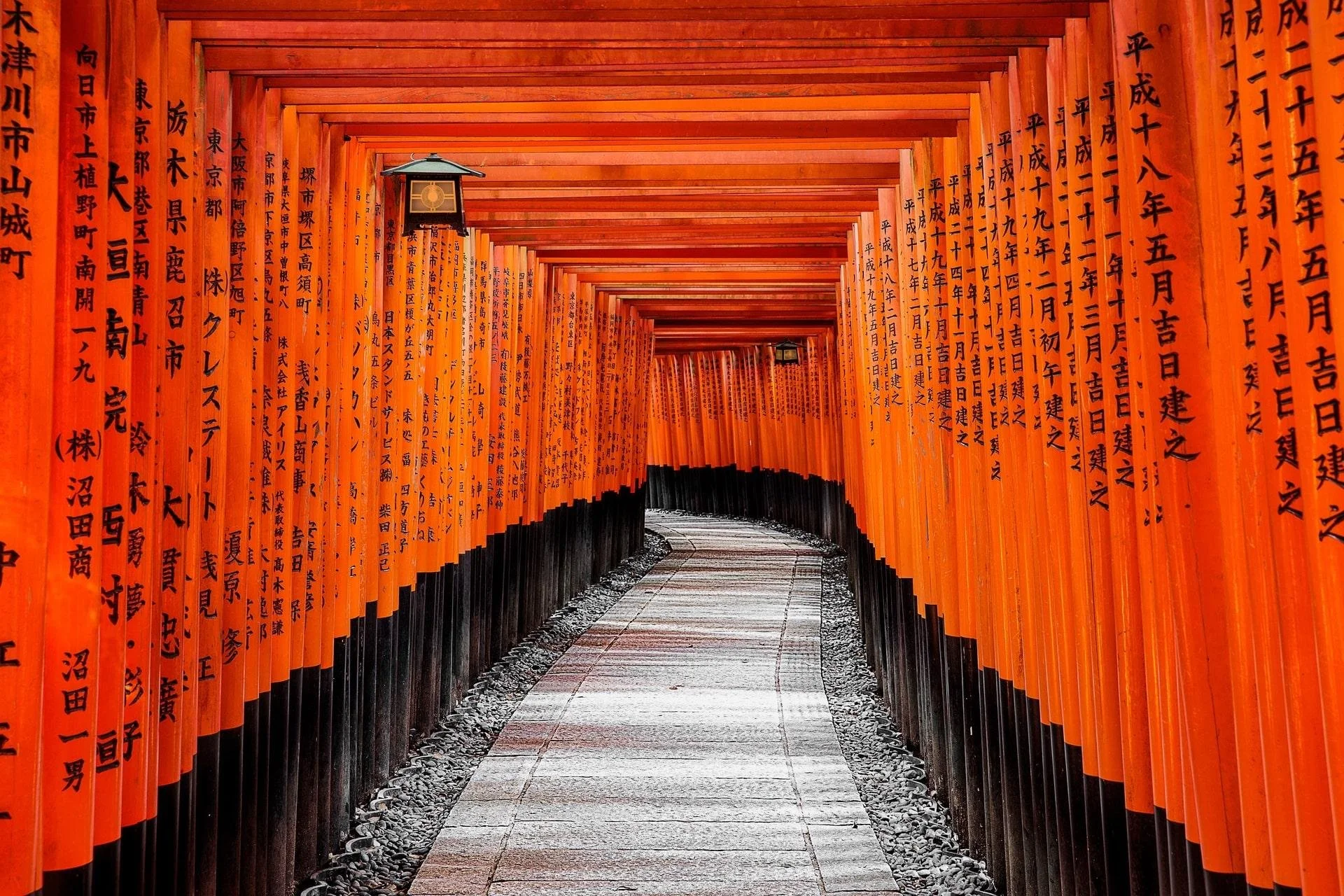
The famous torii gates of Fushimi Inari create one of Kyoto’s most recognizable scenes and offer visitors a beautiful walk through Japanese history and culture.
A Japan itinerary for beginners works best as a 7-day triangle: three days in Tokyo, two in Kyoto, two in Osaka, with Nara or Hiroshima as a day-trip swap. Transit stays under four hours per leg, avoiding the classic first-timer mistake of cramming in five cities.
A first-time traveler with a small backpack standing on a Tokyo street at dusk, neon signs glowing overhead, studying a paper map with a temple gate visible in the distance
Days 1-3: Tokyo Basics and Day Trips
Start with Tokyo's contrasts: Senso-ji temple in Asakusa in the morning, teamLab's digital art spaces in the afternoon, and a Shibuya walking tour at night. Day three, day-trip to Nikko or Kamakura for shrines without the crush.
Days 4-5: Kyoto Temples, Shrines, and Gion
Kyoto rewards early risers. Fushimi Inari's shrine gates are nearly empty before 7 a.m. and shoulder-to-shoulder by 10. Spend an evening in Gion, but respect the private-lane rules posted throughout the district.
Days 6-7: Osaka Street Food and a Nara or Hiroshima Add-On
Osaka is the gastronomy stop: takoyaki, okonomiyaki, and kuidaore street food in Dotonbori. With two spare days, Nara's deer park is a half-day trip; Hiroshima and Miyajima justify a full one.
Have More Time? Add Sapporo, Kanazawa, and Takayama
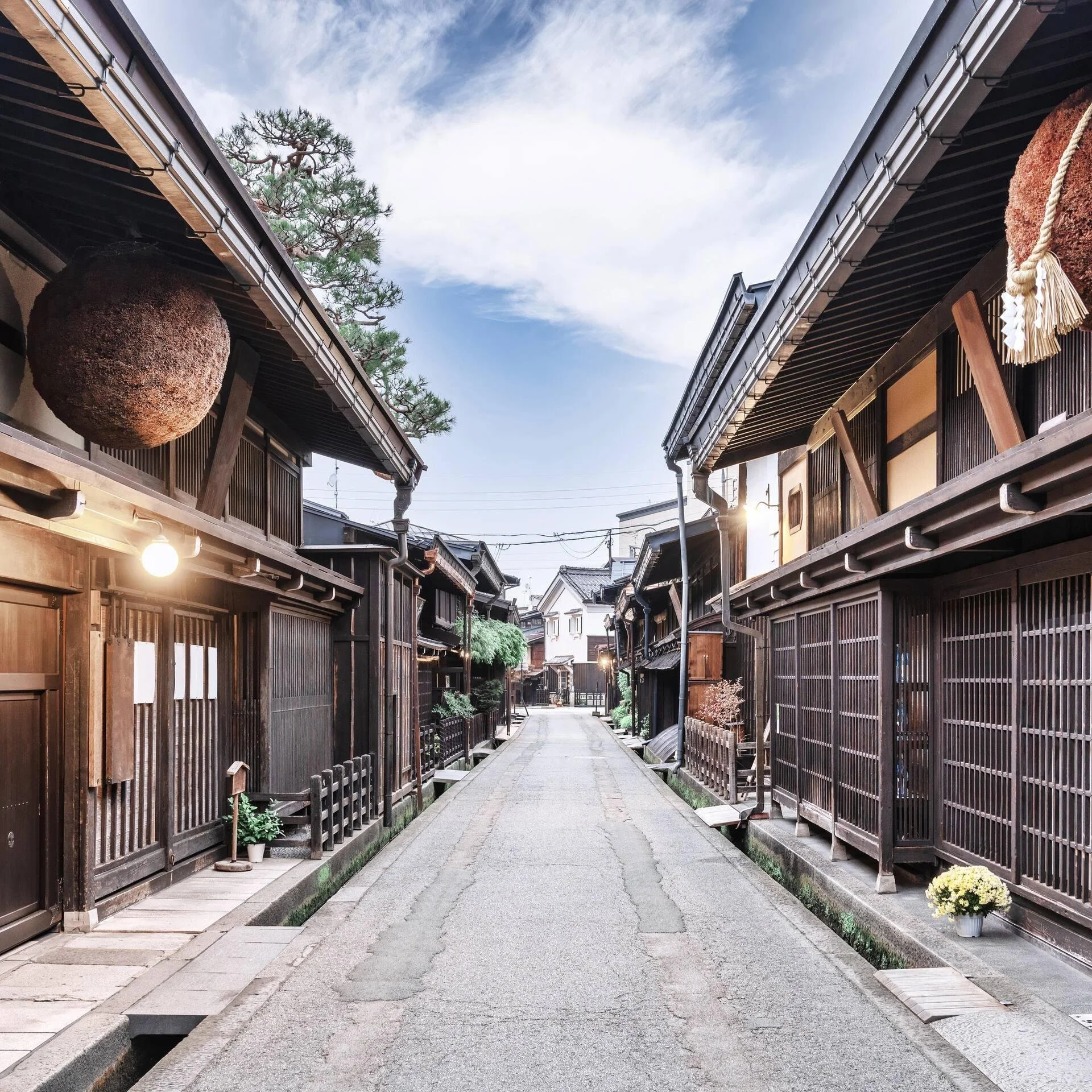
Tokyo, Kyoto, and Osaka are a strong introduction to Japan, but travelers with 10 to 14 days—or those returning for another visit—should consider adding Sapporo, Kanazawa, or Takayama. Each offers a different side of the country and can help balance the energy of Japan's largest cities.
Sapporo
Sapporo is the capital of Hokkaido and a great choice for travelers interested in winter scenery, skiing, regional food, and a more relaxed urban experience. The city is especially famous for the Sapporo Snow Festival, ramen, fresh seafood, and local beer. During warmer months, Hokkaido offers flower fields, hiking, and comfortable temperatures that can feel refreshing compared with the summer heat in Tokyo, Kyoto, and Osaka.
Because Sapporo is far north of the traditional Golden Route, flying from Tokyo or Osaka is often the easiest option. I recommend allowing at least two or three nights so the trip does not feel rushed.
Kanazawa
Kanazawa is an excellent alternative for travelers who want traditional architecture, gardens, samurai history, and arts and crafts without spending their entire trip in Kyoto's busiest areas. Highlights include Kenroku-en Garden, Kanazawa Castle, the Higashi Chaya geisha district, and the preserved Nagamachi samurai neighborhood.
Kanazawa also has an impressive food scene, especially for seafood from the Sea of Japan. Two nights provides enough time to enjoy the major sights at a comfortable pace.
Takayama
Takayama sits in the Japanese Alps and feels very different from Japan's major cities. Its preserved old town, morning markets, wooden merchant houses, sake breweries, and mountain setting make it a memorable stop for travelers who enjoy history and smaller communities.
Takayama can be paired with Kanazawa, with a stop in the UNESCO-listed village of Shirakawa-go between them. This route works especially well for travelers who want a slower, scenic section in the middle of a longer Japan itinerary. Plan on at least two nights in Takayama, and travel with a smaller bag if possible because bus and rail connections can be easier without oversized luggage.
Japan Travel Budget 2027: What a Week May Cost
A Japan travel budget for 2027 will depend on the season, destinations, hotel style, and how far you travel by train. As a general planning range, one week may cost approximately $1,400 to $3,500 per person before international airfare. These are estimates rather than guaranteed prices, so leave room in the budget for changing exchange rates, hotel demand, and transportation costs.
Budget travel: Approximately $90 to $130 per person, per day. This may include hostels or capsule hotels, casual meals, local city transportation, and individually purchased train tickets.
Mid-range travel: Approximately $180 to $260 per person, per day. This can include business hotels, one traditional ryokan stay, a mixture of casual and sit-down meals, attraction admissions, and intercity transportation.
Comfort travel: Approximately $350 to $550 per person, per day. This may include ryokan stays, four-star hotels, taxis, upgraded train seating, private guides, and more upscale dining.
Sample Daily Budgets by Travel Style
Budget travelers should expect roughly $25-$40 per day on food and $15-$25 on transit. Mid-range travelers add temple fees, a rail pass, and one splurge meal. Comfort-tier travelers should budget for ryokan stays, which include dinner and breakfast and often run several hundred dollars per night.
Pro TipBook ryokan stays directly rather than through aggregators. Many properties release rooms 3-6 months out and sell out for cherry blossom season within days.
Cultural Etiquette for Tourists in Japan: Rules That Matter
Cultural etiquette for tourists in Japan comes down to three habits: remove shoes where indicated, stay quiet on transit, and never stick chopsticks upright in rice. Most visitors overthink the rest.
Onsen, Ryokan, and Shrine Visits
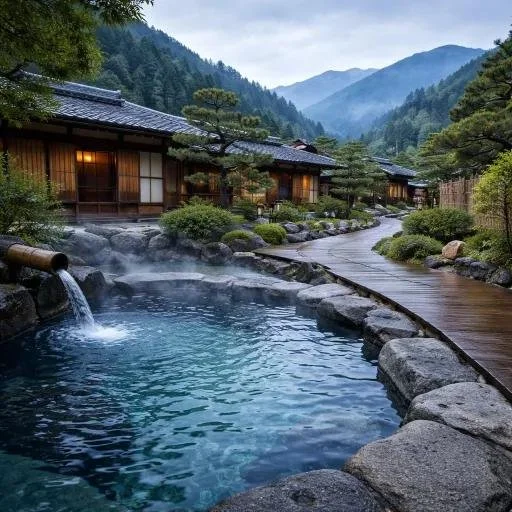
A traditional open-air onsen offers a quiet place to relax while surrounded by Japan’s natural beauty. Many ryokan stays include access to hot-spring baths as part of the cultural experience.
At an onsen, wash fully before entering and keep towels out of the pool; tattoos may block entry at some facilities, so check ahead. At shrines, bow once at the torii gate, walk to the side of the path, and follow the purification ritual at the temizuya.
Watch Out Photographing geisha in Gion without permission can result in fines. Kyoto has restricted photography in private lanes, and locals will report violations.
Getting Around: Rail Passes, Shinkansen, and City Transit
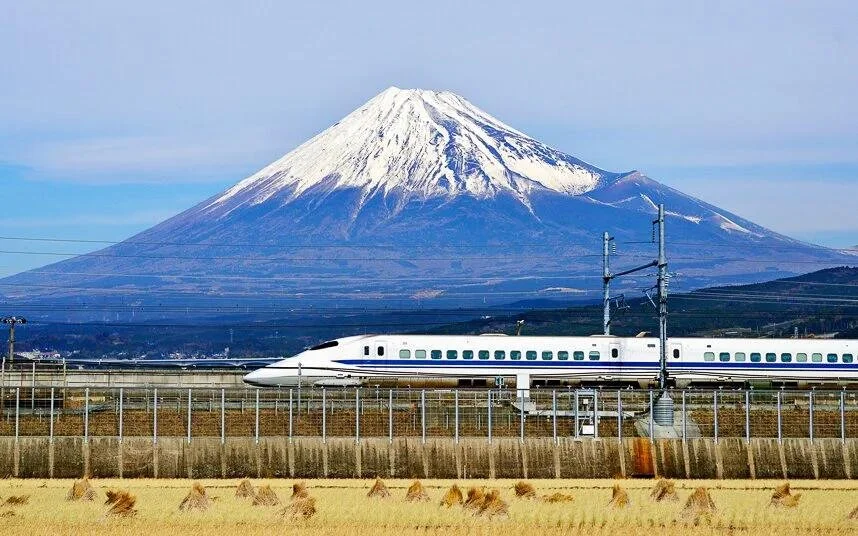
Japan’s famous Shinkansen provides fast and comfortable transportation between many of the country’s major destinations.
Transit is where first-time budgets quietly break. The network is dense, punctual, and largely English-signed at major hubs; the work is deciding which pass, if any, pays off.
Does the Japan Rail Pass Still Pay Off?
The Japan Rail Pass is a flat-rate ticket for unlimited rides on Japan Railways (JR) trains, including most shinkansen (bullet train) services, plus JR ferries and some JR buses. It does not cover the fastest Nozomi and Mizuho shinkansen services, private railways, most subways, or non-JR lines, a detail that trips up many buyers.
A simple way to decide:
Tokyo → Kyoto → Osaka triangle, one direction only: individual tickets usually win. The pass rarely breaks even on a single one-way sweep.
Tokyo → Kyoto → Osaka → Hiroshima → back to Tokyo: the pass typically wins, because the Hiroshima round trip alone is the expensive leg.
City-only trip (Tokyo and day trips): skip the pass. Buy individual JR tickets and load a rechargeable IC card for everything else.
Passes are sold as consecutive-day windows (commonly 7, 14, or 21 days), so map them to the exact days you'll be on long-distance trains, not your whole trip. A pass that expires before your big travel days is wasted money.
Shinkansen: Seat Classes, Reservations, and Luggage
Three things to know before you board:
Reserved vs. non-reserved cars. Reserved seats cost a little more and guarantee a spot; non-reserved cars are first-come and fine outside peak windows. During cherry blossom season, Golden Week, and Obon, book reserved.
Oversized luggage. Bags over a certain total dimension require a reserved seat with an oversized-luggage area on the busiest shinkansen routes. With large suitcases, reserve the right seat or forward bags ahead.
Food and timing. Ekiben (station bento boxes) are part of the experience. Buy before boarding; onboard carts are limited.
IC Cards, Subways, and Buses
Rechargeable IC cards are the workhorse of city travel. Tap in, tap out, and the fare deducts automatically. They work on subways, most city buses, and at convenience stores and vending machines, most travelers keep one loaded for the whole trip.
A few practical notes:
Physical IC cards can be hard to buy in some periods due to chip shortages; mobile IC cards added to a phone wallet are the reliable workaround.
IC cards do not cover shinkansen fares. You'll still need a separate shinkansen ticket.
Rural buses often run on exact change or a separate local card. Carry coins for smaller towns.
Airport Transfers
From the major international gateways, you generally have three options: an express train into the city center, a limousine bus that drops at major hotels, or a taxi. The train is fastest in good conditions; the bus is easiest with heavy luggage; the taxi is priciest and subject to traffic. For late-night arrivals, check the last-train time before booking.
Pro TipIf your itinerary is city-heavy with one long-haul leg, price the individual tickets first. Travelers routinely save money by buying a pass for only the long-distance portion of the trip rather than the full duration.
Accessibility on Transit
Major stations in the largest cities have elevators, escalators, and accessible restrooms, and staff will assist with boarding ramps if you ask at the gate. Gaps appear in older stations, smaller rural lines, and some temple-adjacent stops where stairs are the only route. If you use a wheelchair or travel with mobility limitations, build extra time into step-heavy days and confirm elevator access at your specific station.
Connectivity
Pocket wifi and local SIM cards both work; eSIMs activate on arrival without a store visit and are simplest for short trips. Coverage is excellent in cities and along major rail lines, patchier in deep rural areas and mountain routes. Download offline maps before any rural leg.
Where to Sleep: Ryokan, Hotels, and Hostels
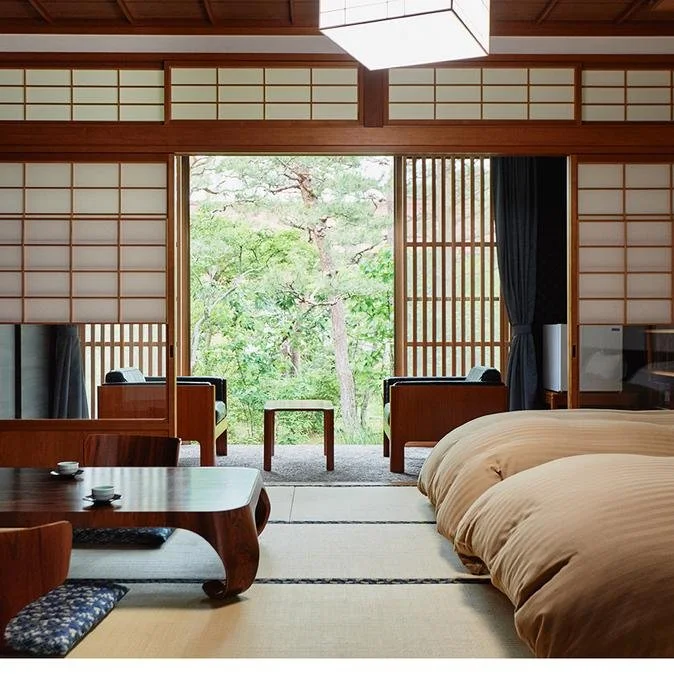
A ryokan stay gives travelers the opportunity to experience traditional Japanese hospitality, tatami rooms, futon bedding, seasonal meals, and often access to an onsen.
Accommodation choice shapes the trip more than any other booking, and it's where expectations most often mismatch reality. Here's how the main categories differ, and how to book each without overpaying.
Japan’s famous Shinkansen provides fast and comfortable transportation between many of the country’s major destinations.: The Cultural Anchor Stay
A ryokan is a traditional inn with tatami floors, futon bedding, and often a kaiseki (multi-course) dinner and breakfast included. The rate you see usually bundles the meals, which is why a ryokan night can look expensive next to a hotel, you're buying dinner and breakfast too.
What to know before booking:
Meal plans drive the price. A room-only ryokan is rare; most quote half-board (dinner and breakfast). Confirm whether dinner is included before comparing rates.
Bath rules. Many ryokan have a shared onsen bath, sometimes with a private bath option for an upcharge. Tattoo policies vary by property, ask directly if this matters to you.
Room size and bedding. Rooms are measured in tatami mats, and futons are laid out by staff while you're at dinner. If you need a Western bed, say so at booking; not every ryokan offers one.
Booking window. Popular properties release rooms months ahead and sell out fast for cherry blossom and autumn foliage seasons. Booking direct is often the most reliable route and can unlock room types that don't appear on aggregators.
Business Hotels: The Efficient Default
Business hotels are compact, clean, and almost always a short walk from a major station. Rooms are small by Western standards, expect a bed, a desk, and a narrow bathroom, but they're the best value for travelers who plan to be out all day. Chains cluster near stations, ideal for rail-based itineraries.
Trade-offs to weigh:
Location beats room size. A small room next to a station saves more time than a large room two subway rides away.
Breakfast add-ons. Many offer a simple breakfast for a modest upcharge; convenience-store breakfast is the cheaper alternative.
Connecting rooms. If you're traveling as a family, confirm connecting or adjacent rooms at booking, they're limited and go early.
Hostels and Capsule Hotels
Hostels suit solo travelers and budget itineraries, with dorm beds and shared kitchens. Capsule hotels offer a private pod with shared bathrooms, a distinctly local experience and often the cheapest private-ish option in a city center. Both book by the night and flex with shifting plans.
A few realities: capsule hotels often segregate by gender and floor, some have curfews or luggage-size limits, and noise carries in dorms. Read the house rules before booking.
How to Split a Stay for Families and Groups
For families and multi-generational groups, a split stay usually works best: one or two nights in a ryokan for the cultural experience, the rest in hotels with connecting rooms and Western beds. This gives everyone the memorable night without committing the whole trip to futon sleeping and shared baths. Book the ryokan first, it's the constraint, then build hotels around it.
Best For Travelers who want one memorable cultural night without committing the whole trip to traditional lodging.
Booking Mechanics That Save Money
Book direct when possible. Properties often release inventory earlier than aggregators and can answer room-specific questions.
Watch the cancellation terms. Ryokan and peak-season bookings frequently carry stricter cancellation windows than chain hotels.
Shoulder season pays. Shifting dates by about ten days on either side of peak bloom or peak foliage often drops rates and opens availability at the same properties.
Luggage forwarding. Sending bags ahead between cities lets you book smaller rooms and travel lighter on trains.
Food, Seasonal Timing, and Avoiding the Crowds
Cherry blossom season and autumn foliage remain two of the most congested travel windows, while Golden Week can be even busier. If you plan to visit during one of these periods in 2027, reserve hotels and important experiences well in advance and expect higher prices in the most popular destinations.
Shift your dates by 10 days on either side of peak bloom and you trade perfect photos for walkable temples. Street food, depachika basement food halls, and regional ramen shops deliver the best value.
Off-the-Beaten-Path and Accessible Options
Regional travel will be one of the best ways to experience Japan in 2027. Sapporo offers a completely different climate and food culture, while Kanazawa and Takayama provide gardens, preserved neighborhoods, mountain scenery, and traditional crafts at a more relaxed pace than the largest cities.
Aomori Prefecture built fantasy-themed heritage marketing around its regional sites and lifted visitor interest, according to MDPI heritage tourism research. Coastal cycling routes, samurai history towns, and rural onsen offer the same Japan without the queues.
Planning a first trip to Japan involves dozens of moving parts: rail passes, ryokan timing, accessibility needs, and group logistics that get complicated fast. Dream Vacations - James L Paige handles full-service travel planning, from custom itineraries and cruise add-ons to resort bookings and exclusive deals, so you can focus on the trip instead of the spreadsheet. As a Cruise Lines International Association (CLIA) member, our advisor coordinates complex group travel and stays reachable if something goes wrong mid-trip. Get started with Dream Vacations - James L Paige and let us build the itinerary that fits your dates, budget, and pace.
Frequently Asked Questions
Is $5,000 enough for a week in Japan?
For most travelers, yes. A comfortable mid-range week covering flights, intercity transportation, three-star hotels, and daily meals may land in the $3,500 to $5,000 range per person depending on your departure city and season. Budget travelers who stay in hostels and choose casual meals can spend closer to $2,000. Your Japan travel budget for 2027 will vary most with airfare and whether you visit during cherry blossom season, when hotel rates can climb sharply.
What is the 5-minute rule in Japan?
The 5-minute rule refers to punctuality. Arriving five minutes early is considered on time in Japan, and arriving exactly at the scheduled hour can read as late for business meetings, tours, and reserved restaurant seatings. For trains, the rule is stricter: the shinkansen departs on the second, so plan to be on the platform at least ten minutes before departure. Build buffer time into every transfer.
What is the best way to explore Japan for first-time visitors?
Start with a 7-day Japan itinerary for beginners that pairs Tokyo, Kyoto, and Osaka, connected by the shinkansen. This gives you modern architecture, temples and shrines, street food, and a manageable pace without constant packing. Add day trips to Nara or Hakone rather than a fourth hotel. A rail pass covers most long-distance legs, and a Suica or ICOCA card handles city subways and buses.
What are the essential cultural etiquette rules to know before traveling?
Carry cash for smaller shops, remove shoes when entering a ryokan or a home, and stay quiet on trains. At shrines, bow slightly before the torii gate and follow the temizu water ritual. In onsen, wash fully before entering the bath and keep tattoos covered if required. Tipping is not practiced; leaving coins can cause confusion. These small habits show respect and make daily interactions smoother.